Unleash the Power of Our Cloud-Based Talent Management Software
Signify’s Pollen Series comprises a range of responsive (PC / tablet / mobile) shelf content. The Pollen Series can be customized to align to your organization’s corporate identity at a small customization fee. The Pollen Series is aimed at a Supervisory and Team Leader-level target audience, and includes the following topics:
Use the buttons below to jump to the specific section, then click on the tabs under the sections for more detail.
Personal Mastery
MODULE 1: Creating context
- Understanding the basics of active listening.
- Examining the impact of poor listening on relationships and your life.
MODULE 2: Assessing your listening
- Examining your listening skills.
MODULE 3: Keys to active listening
- Identifying the keys to active listening and how to use them.
MODULE 4: Using questions
- Using different types of questions to improve your active listening.
MODULE 1: Understanding anger
- Understanding anger as an emotion and its impact on you.
- Examining the reasons we get angry.
- Understanding why it's important to control your anger,
- Identifying the consequences of not controlling your anger.
MODULE 2: Taking charge of your anger
- Exploring the golden rules when you're feeling extremely angry.
- Learning the six steps to control your anger.
- Identifying your hot buttons and creating neutralizers for them.
MODULE 1: Creating context
- Understanding the nature of time.
- Analyzing how you spend your time.
MODULE 2: The circle of influence and concern
- Examining the different spheres of your life.
- Identifying what you can control and what you can't.
MODULE 3: Creating alignment between your values and how you spend your time and energy
- Creating priorities of your life.
- Setting goals and developing action plans to achieve your goals.
MODULE 4: Practical time management tools and techniques
- Understanding what the 80/20 principle means.
- Identifying the urgency and importance quadrants.
- Examining work tactics to simplify your day at the office.
- Using routines and schedules to simplify your life.
MODULE 1: The influence of perception on conflict management
- Reframing our perception of conflict towards neutral ground and more productive conflict management.
MODULE 2: Conflict management styles and situational application
- Understanding the different conflict styles.
- Identifying the pros and cons of each conflict style.
- Examining the appropriateness of a conflict management style in a specific situation.
MODULE 3: Conflict management strategies
- Identifying strategies to effectively manage conflict.
MODULE 4: Personal development in action
- Selecting the appropriate conflict resolution response suitable to aspecific scenario.
MODULE 1: Foundational concepts of emotional intelligence
- Identifying what emotional intelligence (EI) is.
- Understanding why EI is important.
- Assessing your current EI.
- Examining how to grow your EI.
MODULE 2: The competencies of emotional intelligence: Part 1
- Examining self-awareness and self-management as
competencies of EI.
MODULE 3: The competencies of emotional intelligence: Part 2
- Examining social awareness and social skills as competencies of EI.
MODULE 4: Practical application
- Discovering interactive emotional self-awareness activities.
MODULE 1: Understanding the nature and impact of offense
- Understanding what taking offense means
- Identify the underlying emotions that lead to offense
- Describing the effects of offense on personal, interpersonal, and work relationships
MODULE 2: Evaluating the role of the self in taking offense
- Reflecting on habits and personality traits associated with someone who is easily offended
- Using self-reflection to shift perspectives on communication
MODULE 3: Creating resilience against offense
- Examining methods to manage emotions effectively and to respond constructively
MODULE 1: Introduction to social influence
- Understanding why social intelligence is important
- Applying a basic understanding of social intelligence concepts
MODULE 2: What is social intelligence?
- Differentiating between IQ, EQ, and SQ
- Explaining the key characteristics of social intelligence
- Identifying the core skills involved in high social intelligence
MODULE 3: Developing social intelligence
- Understanding key strategies for developing social intelligence
Life Skills
MODULE 1: What is stress?
- Understanding the difference between stressors and their impact
on your life. - Identifying sources of stress in your life.
MODULE 2: Toward better balance
- Identifying what causes stress at home.
- Examining strategies for better balance in your life.
MODULE 3: Managing sources of stress
- Identifying what causes stress at work.
MODULE 4: Coping strategies for stress
- Developing optimism and coping skills to minimize the negative
impact of stress on your life.
MODULE 1: Sowing seeds of knowledge
- Defining “learner for life” and the disadvantages of not embracing lifelong learning
MODULE 2: Taking root
- Exploring the benefits of being a learner for life
MODULE 3: Blooming into success
- Unlocking the mindscape of a learner for life
- Explore ways to engage in lifelong learning
MODULE 1: Creating context
- Identifying what resilience is.
- Examining how you benefit from being resilient.
- Identifying the five resiliency assets.
- Examining relationships as the first asset of resilience and the value of good relationships in becoming more resilient.
MODULE 2: Resiliency assets: emotional intelligence
- Examining emotional intelligence as the second asset to develop resilience.
MODULE 3: Resiliency assets: competence
- Examining how problem-solving, decisive action, and perseverance
support resilience in your life.
MODULE 4: Resiliency assets: optimism and coping skills
- Discovering how optimism and coping skills help you to become more resilient.
MODULE 1: Why change is easier for some than others
- Understanding different kinds of change
- Identifying your feelings about change
- Determining your level of control over change
MODULE 2: Reasons for resisting change
- Identifying the top five reasons for resisting change
- Considering different actions to address change resistance
- Reviewing lessons learned about resisting change
MODULE 3: Bolstering change leaders
- Examining Prosci’s five tips to overcome change resistance.
- Identifying Prosci’s top three reasons for change resistance.
- Reviewing the ADKAR® change model as a change leader tool
- Developing resilience in change leaders
MODULE 4: Tips for dealing with change
- Examining the impact of your thoughts, attitude, actions, and routines on your ability to cope with change successfully
- Using your thoughts, attitudes, actions, and routines to help you make change easy
MODULE 1: Deep links: Humility and leadership
- Understanding what humility is
- Understanding the difference between self-deprecation and humility
MODULE 2: Humility doesn’t mean …
- Identifying the top five reasons for resisting change.
- Considering different actions to address change resistance.
- Reviewing lessons learned about resisting change.
MODULE 3: The power of humility in the workplace
- Understanding why humility is important in the workplace
- Understanding how humility can give you a competitive edge in the workplace
MODULE 1: Effective communication gets the job done
- Identifying the key benefits of effective communication
- Distinguishing between assertive, passive, and aggressive communication styles
- Distinguishing between effective and ineffective communication techniques
MODULE 2: Foundations of effective communication
- Differentiating between assertive communication and other communication styles
- Identifying assertive communication and its key characteristics
- Identifying the benefits of asking questions
- Identifying appropriate situations for asking questions
- Differentiating between closed-ended and open-ended questions
- Identifying strategies for asking effective questions
- Explaining how summarizing conversations helps to retain key information
- Identifying the strategies involved in summarizing conversations effectively
MODULE 3: Conflict isn’t scary when you know what to do
- Identifying the benefits of healthy conflict resolution skills
- Identifying key strategies involved in constructive conflict resolution
MODULE 1: Introduction to being financially savvy
- Defining financial security
- Explaining the importance of financial planning
- Identifying the key factors involved in achieving financial security
- Identifying how a budget helps to manage finances
- Applying basic saving principles
- Identifying strategies for building good credit
MODULE 2: The basics of budgeting
- Understanding what a budget is
- Explaining the purpose of creating a budget
- Identifying the key steps involved in setting up a budget
- Categorizing expenses into different groups based on needs and wants.
- Explaining the advantages of saving money
- Identifying practical strategies for building a savings habit
- Differentiating between short-term and long-term savings goals
- Identifying the key benefits of good judgement and decision-making skills
MODULE 3: Building good credit
- Explaining what credit is
- Differentiating between secured and unsecured credit
- Explaining the significance of a good credit score
- Identifying practical steps to building good credit from scratch
MODULE 1: Understanding retirement planning
- Defining retirement planning
- Identifying the questions to ask when planning for your retirement
- Explaining the three stages of retirement planning
- Describing the three most common retirement funds in South Africa
MODULE 2: The importance of saving for retirement
- Describing the different saving milestones to reach during each decade of life
MODULE 3: Catching up on retirement savings
- Identifying strategies to catch up on retirement savings if you’ve fallen behind
- Explaining tips to consider when trying to catch up on retirement savings
Career Management
MODULE 1: What a courageous conversation is and why it is important
- Identifying the issues that need to be addressed during a
courageous conversation. - Determining what to communicate during a courageous
conversation. - Identifying screening questions to determine where a courageous
conversation is required. - Analyzing the steps to prepare for a courageous conversation.
MODULE 2: The keys to a successful courageous conversation
- Discovering the top strategies to ensure a successful outcome
for your conversation.
MODULE 3: Communication skills to make your courageous
conversation work
- Ensuring a more successful courageous conversation in four
easy steps.
MODULE 1: Creating context
- Explaining what coaching is.
- Identifying the rationale for coaching.
- Identifying coaching principles.
- Identifying different roles in coaching.
- Differentiating between coaching and managing in terms of
approach and timing.
MODULE 2: The GROW coaching process
- Analyzing the steps and activities in the GROW coaching process.
MODULE 3: The LEARN coaching model
- Analyzing the principles of the LEARN coaching model.
MODULE 4: Supporting the practical application.
- Examining how to build trust to achieve a successful coaching
outcome.
MODULE 1: Creating context
- Identifying the concept and purpose of mentoring.
MODULE 2: The macro mentoring process
- Analyzing the phases of the macro mentoring process including:
- Phase 1: Establishment.
- Phase 2: Relationship building and implementation.
- Phase 3: Assessment.
- Phase 4: Separation.
MODULE 3: The micro mentoring process
- Identifying six steps to structure any mentoring conversation.
- Examining stakeholder roles in the mentoring process, including
the mentor, the mentee, and the line manager.
MODULE 4: Supporting the mentoring process
- Identifying the nature of the change and transformation that
takes place in a mentoring process.
MODULE 1: Why today’s workplaces need powerhouse employees
- Understanding what the workplace evolution means for employees
- Understanding the two different clans in the workforce and their different ideas
- Identifying the different expectations of experienced and less-experienced employees
- Examining the concerns of experienced employees and employers when hiring new recruits
MODULE 2: Meet the powerhouse employee: What do they do and what are they like?
- Explaining what it means to be a powerhouse employee
- Identifying the characteristics of a powerhouse employee
MODULE 3: Becoming a powerhouse employee
- Explaining different powerhouse skills:
- Sticking it out: Staying in a job for a set period before moving on to the next
- Working smart and hard: Learning new concepts and protocols in the workplace
- Creating good habits: Adapting to workplace norms/habits
- Managing stress: Handling deadline stress, responsibilities, etc.
MODULE 1: Creating context
- Distinguishing between a team and a group.
- Defining group dynamics and how these fit into the stages of
team development.
MODULE 2 : Self-development tool for team leaders
- Maximizing results from your team,
- Using team norms to contribute to collective performance.
MODULE 3: Supporting teamwork through leadership and
management style
- Using the Situational Leadership model.
MODULE 4: Practical tips and tools for team leaders
- Examining tips for effective feedback.
- Identifying ways to improve your team.
- Examining ways to build you team's character.
MODULE 1: What is motivation?
- Defining motivation.
- Understanding how motivation creates purpose.
- Identifying the three components of motivation.
- Understanding internal and external motivation.
MODULE 2: Theories of motivation
- Discovering six of the most common theories of motivation.
MODULE 3: A manager's tips for employee motivation
- Distinguishing between morale and motivation.
- Understanding the impact of good morale in the workplace.
- Uncovering myths about what motivates employees.
- Identifying eight ways for managers to motivate their employees.
MODULE 4: Motivating myself
- Identifying what you really want and need.
- Using 10 steps to motivate yourself.
- Discovering five tips for self-motivation.
MODULE 1: What is self-directed leadership?
- Understanding what self-leadership means.
- Examining why self-leadership has become a critical future skill.
MODULE 2: The self-leadership process: Part 1
- Examining the first part of the self-leadership process.
MODULE 3: The self-leadership: Part 2
- Exploring boundaries and work ethic in your work environment.
MODULE 4: Tips and tools for self-leadership
- Understanding the rationale for prioritizing self-leadership.
- Exploring tips and tools to help you become a self-directed
leader.
MODULE 1: Getting a grip on generational profiles
- Understanding what a “generational profile” is
- Understanding the different generations
MODULE 2: Getting along with each generation
- Describing different generational needs in the workplace
MODULE 3: Practical application
- Applying newly learned knowledge about the different generations in scenario-based questions
Transversal Skills
MODULE 1: Understanding problems
- Defining a problem
- Identifying types of problems
- Defining problem-solving
- Introducing the Simplex Process
- Identifying problem-solving styles
- Recognizing traits of great problem-solvers
MODULE 2: Identify the real problem
- Differentiating between symptoms and root causes
- Define root cause analysis
- Applying the 5 Why technique
MODULE 3: Let’s solve it!
- Differentiating between creative and logical thinking
- Applying creative thinking
- Applying logical thinking
MODULE 4: Implementing solutions
- Applying the Simplex Process to implementation
- Developing an action plan
- Assign roles and responsibilities
- Selling the idea
- Taking action and evaluating
MODULE 1: Creating context
- Understanding what decision-making is.
- Identifying key focus points during the decision-making process.
MODULE 2: Using a decision-making technique
- Determining decision-making criteria.
- Determining how to weigh up alternatives when making
decisions.
MODULE 3: Practical decision-making strategy: Part 1
- Analyzing the Force Field Analysis technique as a decisionmaking
tool.
MODULE 4: Practical decision-making strategy: Part 2
- Examining the Cause-and-Effect Analysis technique for
decision-making.
MODULE 1: Getting to grips
- Identify the benefits of novel and adaptive thinking in the workplace
- Explain novel thinking as generating new ideas and solutions
- Explain adaptive thinking as the ability to adjust and respond to change
MODULE 2: Applying basic concepts of novel and adaptive thinking
- Distinguish between skills associated with novel and adaptive thinking
- Identify examples of novel and adaptive thinking behaviors
MODULE 3: Developing the skill of novel and adaptive thinking
- Identify different strategies for developing novel thinking skills
- Identify different strategies for developing adaptive thinking skills
MODULE 1: Why do I need to know this?
- Identifying the advantages of good judgement and decision-making skills
MODULE 2: The basics
- Distinguishing between judgement and decision-making
- Identifying key elements of good judgement
- Recognizing techniques to improve decision-making
- Defining judgement and decision-making
- Explaining how judgement informs the decision-making process
- Identifying the key benefits of good judgement and decision-making skills
MODULE 3: What’s the difference?
- Explaining the core components of good judgement
- Identifying specific strategies for developing good judgement
- Identifying common roadblocks to good decision-making and tactics to overcome them
- Identifying the key steps involved in improving the decision-making process
MODULE 1: Getting onto the fast track
- Identifying the key benefits of learning agility in changing work environments
- Distinguishing between behaviors that demonstrate adaptability
- Identifying what makes someone an agile learner
- Analyzing how learning agility might be applied in specific scenarios
MODULE 2: The organizational benefits of diversity
- Explaining the main components of learning agility
- Identifying the five factors that influence learning agility
- Identifying the various characteristics of agile learners
- Explaining the specific behaviors and attitudes associated with learning agility
MODULE 3: Becoming an agile learner
- Explaining the benefits of developing learning agility
- Identifying actions and behaviors that contribute to developing learning agility
MODULE 1: What is diversity?
- Understanding what diversity really means.
- Examining the things that make people diverse.
MODULE 2: The organizational benefits of diversity
- Identifying multiple benefits of a diverse workforce for an
organization.
MODULE 3: Making diversity work
- Examining organizational focus points: where to direct energy
and effort to improve diversity management and inclusivity.
MODULE 1: How to restore a relationship
- Identifying our choices in response to our incorrect or
inappropriate behavior. - Understanding why apologies are important.
- Identifying why we don't apologize.
- Discovering four simple steps to make a sincere apology.
MODULE 1: What is disability awareness
- Defining disability awareness
- Explaining why disability awareness is essential in personal, team, and organizational contexts
MODULE 2:
Misconceptions about disability
- Identifying common misconceptions about people with disabilities
- Contrasting misconceptions with facts
MODULE 3: Types of disabilities
- Defining disability types
- Describing main categories: physical, sensory, cognitive, and mental health
MODULE 4: Inclusive work practices
- Recognizing strategies to support inclusion of people with disabilities
- Applying tips to real-world work situations
MODULE 1: A modern business writing mindset
- Explaining why effective writing is a critical skill in today’s workplace
- Identifying the role of clarity, tone, and structure in building credibility
- Identifying and applying the appropriate tone and wording when shifting from informal, everyday communication to formal business writing
MODULE 2:
Core writing principles
- Applying clarity, conciseness, coherence, correctness, and consistency to workplace writing
- Spotting and correcting common grammar and punctuation errors
- Using active voice and plain language to improve readability
MODULE 3: Structure and formatting for readability
- Using headings, bullet points, and white space to guide the reader
- Presenting complex information clearly with charts, tables, or lists
- Applying accessibility best practices in written communication
MODULE 4: Audience-centered writing
- Identifying purpose and desired outcome before writing
- Adjusting tone, style, and content for different stakeholders and levels of formality
- Recognizing cultural considerations in global business communication
MODULE 5: Writing with empathy and professionalism
- Applying positive framing to build trust and goodwill
- Delivering bad news or sensitive feedback with tact
- Using inclusive language in workplace communication
MODULE 6: Writing different document types
- Applying best practices for email, proposals, reports, and presentations
- Avoiding tone and clarity issues common in online posts
MODULE 7: Polishing your writing
- Differentiating between drafting and editing phases
- Applying self-editing techniques to refine clarity and tone
MODULE 8: Generative AI for business writing (BONUS MODULE)
- Describing AI’s strengths and limitations in business writing
- Crafting effective prompts for various business writing tasks
- Fact-checking and verifying AI outputs to avoid errors and bias
- Applying safe data practices when using AI for sensitive documents
ASSESSMENT: The word gym edition
- Applying business writing skills in realistic workplace scenarios
- Building a personalized writing checklist for ongoing improvement
Personal Branding
MODULE 1: Power dressing
- Describing why appearance matters
- Defining the benefits of power dressing
- Explaining the benefits of authentic power dressing
MODULE 2: Decoding professional dress codes
- Describing the evolution of dress codes
- Differentiating between office and online professional dress codes
MODULE 3: Maintaining a professional dress code
- Differentiating between the dos and don’ts of professional dress codes
- Analyzing the norms of workplace dress codes
MODULE 1: How assertive are you?
- Examining the benefits of being assertive in changing your life for the better
MODULE 2: Identify the three behavioral styles and their characteristics
- Examining the passive, assertive, and aggressive behavioral styles
MODULE 3: Habits to help you become more assertive
- Identifying different habits that can help you become more assertive
MODULE 4: Additional resources
- Identifying resources that will help you develop your assertiveness
MODULE 1: Why is a story such a powerful tool?
- Identifying why storytelling is an effective tool.
- Examining what storytelling can do for your message.
POD 3.
MODULE 2: The elements of a good story
- Identifying the framework for a good story.
- Examining the elements of a good story.
MODULE 3: Tips and tools to improve storytelling
- Examining how to immerse your audience in your story.
- Discovering how to create suspense or a sense of wonder.
- Examining how to make people care about your story.
MODULE 1: Planning your presentation
- Identifying the Why, What, and How of your presentation.
- Creating context by examining the facts about your topic.
- Planning your pitch by examining the needs and expectations of
your target audience. - Planning your approach by selecting the right dress code.
POD
MODULE 2: Building your presentation
- Defining your introduction by formulating the background, the
baseline, and the outline. - Identifying and using meaningful information using the SLIDE
technique. - Creating a powerful conclusion by summarizing, engaging
audience participation, and closing with a call to action.
MODULE 3: Rehearsing your presentation
- Familiarizing yourself with the content and practicing the
presentation. - Rehearsing your presentation and making notes.
- Integrating different presentation methods into your delivery.
- Improving your delivery by asking for feedback.
MODULE 4: Delivering your presentation
- Calming your nerves.
- Opening the presentation with a great introduction.
- Using effective body language throughout your presentation.
- Communicating effectively with your audience.
MODULE 1: Understanding the two levels of impact
- Understanding that everyone has an opportunity to impact
- Choosing your level of impact
MODULE 2: Taking ownership of your impact
- Explore how taking ownership and personal authority can lead to making a positive impact
- Identify the benefits of taking ownership of your work
- Explain what personal authority means and how you can improve it
MODULE 3: Small habits to make a positive impact by…
- Believing in your efforts
- Leading by example
- Keeping the bigger picture in mind
- Spreading positivity
MODULE 1: Why your best self is the only self you should be
- Understanding what it means to be your “best self”
- Identifying why you should show up as your best self
MODULE 2: Know yourself – yourself
- Understanding that becoming your best self is a process
MODULE 3: Unleash awesomeness
- Identifying ways to become your best self.
Workplace Conduct
MODULE 1: Conduct guidelines for effective meetings
- Analyzing global meeting statistics
- Understanding how not to behave during meetings
- Identifying the back-to-basics guide for good meetings
- Examining meeting dos and don’ts
MODULE 2: Why meetings don’t work
- Identifying the contributing factors to ineffective meetings, including:
- Information
- Meeting length
- Starting late
- Thinking out loud
- No accountability
- Recap
MODULE 3: Making meetings work
- Examining six methods to ensure your meetings are effective and efficient, including:
- Eighteen minutes maximum
- No chairs
- No cellphones
- Maximum ten attendees
- DRI
- Five-word summary
MODULE 1: Identifying bullying behaviors
- Examining different types of bullying, including:
- Cyberbullying.
- Bullying at work.
- Bullying at school.
POD
MODULE 2: Why meetings don’t work
- Identifying the six most common types of workplace bullies.
MODULE 3: Resources for help
- Identifying resources for support for bullying at school.
- Identifying resources for support if you are being cyberbullied.
- Reviewing workplace bullying behaviors.
- Examining your reality.
- Examining nine suggestions to help deal with a workplace bully.
MODULE 1: The Code of Good Practice
- Defining what constitutes sexual harassment.
- Identifying what the Code of Practice covers in terms of sexual harassment.
- Determining where and how the Code applies.
- Determining workplace policy principles that relate to sexual harassment.
MODULE 2: The faces of sexual harassment
- Reflecting on facts and figures about sexual harassment.
- Identifying different forms and behaviors of sexual harassment.
MODULE 3: Taking action against sexual harassment
- Determining your first response when facing sexual harassment.
- Identifying practical tips to deal with sexual harassment.
- Determining the formal steps available to victims of sexual
harassment.
MODULE 4: Healing from sexual harassment.
- Understanding what trauma is.
- Identifying the signs and symptoms of trauma caused by sexual
harassment. - Determining the steps you can take to heal from the trauma of
sexual harassment.
MODULE 1: What is authentic professionalism?
- Defining authentic professionalism
- Identifying common misconceptions about authentic professionalism
- Informality
- Oversharing
MODULE 2: The power and perils of authentic professionalism
- Describing the benefits of authentic professionalism:
- Trust and credibility
- Stronger relationships
- Improved self-confidence and job satisfaction
- Describing the challenges of authentic professionalism:
- Professional hierarchies
- The timing of personal information sharing
MODULE 3: A practical guide to authentic professionalism
- Defining the link between communication and authentic professionalism
- Explaining authentic professional behaviors by providing practical tips on:
- Dress code
- Self-disclosure
- Email etiquette
- Informal communication
- Networking
- Building trust remotely
Relationship Building and Networking Skills
MODULE 1: Creating context
- Identifying what a "difficult person" is.
- Examining different types of difficult people.
MODULE 2: Dealing with difficult people in general
- Examining eight steps to deal with difficult people effectively.
MODULE 3: Dealing with the difficult customer
- Discovering eight strategies to deal with the difficult customer.
- Identifying the dos and don'ts of dealing with difficult customers.
MODULE 1: Tips for talking
- Identifying ten tips to communicate in a people-centered way.
MODULE 2: Being a great conversationalist
- Examining ten tricks to become a great conversationalist.
MODULE 3: Generational communication
- Understanding different generations, their backgrounds,
characteristics, communication preferences, and strengths.
MODULE 4: Office small talk
- Examining the most important dos and don'ts of office small talk.
MODULE 1: Things to know about your recipient
- Planning your email by asking questions about the goal, the
message, the recipient, and the subject line of your email.
MODULE 2: Good emails have...
- Discovering top tips for writing a good beginning, middle, and end to your email, including:
- The greeting
- The introduction
- The middle or body of the email
- The wrap-up and sign-off of your email.
MODULE 3: Email rules to live by
- Identifying important rules to help you communicate with impact and write effective emails,
MODULE 4: When to send your email
- Determining the best time to send your email to get a quick
response.
MODULE 1: Identifying bad telephone etiquette
- Identifying points of frustration for a caller.
- Recognizing bad telephone etiquette.
- Identifying rudeness, bad attitude, and distraction.
- Recognizing the impact of bad telephone etiquette on the caller.
MODULE 2: Understanding what good telephone etiquette is
- Identifying the ten points of good telephone etiquette.
- Understanding the importance of having empathy for your caller
and their problems. - Measuring your own telephone etiquette with a quiz.
MODULE 3: Understanding why we need to have good telephone
etiquette
- Stating the consequences of both good and bad telephone etiquette.
MODULE 4: Let's get practical: Steps to improve your telephone etiquette
- Applying practical tips for dealing with difficult callers.
- Applying these practical tips to a call simulation quiz.
Technical Skills
MODULE 1: Prospecting and qualifying
- Understanding the importance of following a structured sales process
- Explaining how the sales process adapts to different customer situations
MODULE 2: Preparation and research
- Recognizing the importance of thorough preparation before customer contact
- Understanding how research builds customer trust
- Identifying key information to collect to set clear sales objectives
MODULE 3: Conducting a needs assessment
- Understanding the purpose of a needs assessment in creating customer-focused solutions
- Identifying customer needs and converting them into sales opportunities
- Setting clear objectives before conducting a sales call
MODULE 4: The sales pitch or demo
- Developing a concise, customer-focused sales pitch
- Tailoring presentations to meet unique customer needs
- Demonstrating sales expertise through an effective, engaging pitch
MODULE 5: The sales proposal and objection handling
- Recognizing common customer objections and how to respond to them
- Viewing objections as opportunities to strengthen customer relationships
- Matching objection-handling strategies to specific situations
MODULE 6: Closing the sale
- Recognizing that closing is an ongoing part of the sales process
- Identifying verbal and non-verbal buying signals
- Building long-term customer relationships through effective closing techniques
MODULE 7: Follow-up
- Understanding the purpose and importance of post-sale follow-up
- Demonstrating consistent follow-through to maintain customer trust
- Recognizing follow-up as a key stage in long-term relationship management
MODULE 8: How to be a great salesperson
- Identifying the 12 keys to becoming a great salesperson
- Reflecting on areas for personal and professional improvement in your sales approach
MODULE 9: Am I a great salesperson?
- Identifying areas in your sales approach that require improvement
MODULE 1: Chief orientation
- Understanding what a Chief of Calm is by:
- Defining “Chief of Calm”
- Explaining why Chiefs of Calm are important in South Africa
MODULE 2: Knowledge bootcamp
- Describing the job of a Chief of Calm by:
- Explaining grade E security guards
- Identifying the criteria and duties of a Chief of Calm
- Identifying the potential career paths as a Chief of Calm
MODULE 3: Preparing for your duty
- Understanding the qualities and skills of a Chief of Calm by:
- Describing the qualities of a Chief of Calm
- Identifying ways to become a Chief of Calm by:
- Describing steps to follow to apply for a position as a Chief of Calm
- Identifying places to apply for a security guard job
MODULE 4: Your first mission
- Understanding the skills a Chief of Calm should have by:
- Describing the qualities and skills of a Chief of Calm
- Identifying ways to become a Chief of Calm by:
- Identifying tips to secure a security guard job
- Identifying the qualities of a Chief of Calm
MODULE 1: Why do I need a driver’s licence?
- Understanding what the K53 test is by:
- Explaining what the K53 test is and what it measures
- Identifying the benefits of completing your K53 test
- Exploring the possible careers you can try out as a driver
MODULE 2: What is required to get a driver’s licence?
- Understanding the requirements to complete the K53 test
- Explaining what the requirements are to complete the K53 driver’s test
- Identifying the different codes for the K53 driver’s licence and what they entail
MODULE 3: Resources to get you on your way
- Exploring downloadable resources to successfully complete the K53 test
- Tips to apply on the day of writing the K53 test
Digital Marketing
MODULE 1: Introduction to Digital Marketing
- Introduction to digital marketing focuses on:
- Understanding what Digital Marketing is
- Identifying why Digital Marketing is important
MODULE 2: Digital Marketing in a business
- Understand digital marketing for business by:
- Identifying the different types of Digital Marketing
- Examining the role of Digital Marketing in a business
MODULE 1: What is Social Media?
- Learn how to use Social Media as a digital marketing tool by:
- Defining the meaning of Social Media
MODULE 2: Advantages and disadvantages
- Learn how to use Social Media as a digital marketing tool by:
- Identifying the advantages and disadvantages of Social Media
MODULE 1: Why LinkedIn for business
- Harness the power of LinkedIn by:
- Defining what LinkedIn is as a platform
- Examining the reasons to use LinkedIn
MODULE 2: Tips for LinkedIn marketing
- Harness the power of LinkedIn by:
- Investigating tips to use LinkedIn effectively in a marketing context
MODULE 1: Why Facebook for business
- Defining what Facebook is as a platform
- Examining the reasons to use Facebook
MODULE 2: Tips for Facebook marketing
- Learn how to use Facebook for marketing by:
- Investigating tips for effective marketing on Facebook
Risk Management and Governance
- Understanding the difference between corruption and fraud.
- Identifying the dimensions of corruption (corrupt activities).
- Identifying corrupt practices.
- Defining bribery as a transaction.
- Understanding what can be viewed as a bribe.
- Identifying the elements and evidence that constitute bribery.
- Scenario-based learning: Determining the right course of action in a given scenario.
- Understanding the importance of ethics by means of global
scandals. - Defining conflict of interest.
- Determining whether a conflict of interest exists.
- Using decision-making guidelines to avoid conflict of interest.
- Defining a culture of compliance.
- Identifying the eight elements of a good compliance program.
- Examining the elements of a comprehensive ABC compliance program.
- Understanding the definition of risk
- Understanding the elements of risks related to money laundering and terrorist financing
- Applying practical applications to manage money laundering and counter-terrorist financing risks
- Examining financial risk scenarios
- Examining the Risk-Based Approach
- Defining fraud, money laundering, and terrorist financing.
- Examining facts about money laundering and terrorist financing.
- Using examples to explain the three steps in the money laundering process.
- Identifying five key steps to contribute to combating money
laundering and terrorist financing.
- Examining the evidence timeline of major corporate fines
relating to measures, controls, and screening of customers and
3rd parties. - Questioning transaction criteria to identify potentially suspicious
transactions. - Interrogating example scenarios of suspicious customer
behavior / transactions. - Using the four checkpoints for effective reporting of potentially suspicious transactions.
- Applying the three rules to successful reporting and identification
of criminals.
- Understanding the basic principles of KYC.
- Examining what KYC tells you about customers and 3rd parties.
- Reviewing the KYC program steps.
- Identifying the three elements of KYC good practice.
- Reflecting on the KYC process.
- Using the S-A-F-E method as KYC for transactions.
MODULE 1: What is business continuity management?
- Defining business continuity management.
- Explaining the purpose of business continuity management.
- Identifying the benefits of business continuity management.
MODULE 2: How to ensure business continuity
- Creating a business continuity framework.
- Testing the business continuity framework.
- Examining other considerations.
Automotive Series
MODULE 1: Introduction
- Defining who a customer is.
- Understanding what customers expect from a sales executive.
- Analyzing how to influence the 6-step customer buying cycle.
- Using the 8-step process to close the deal.
MODULE 2: Meet and greet
- Analyzing the three deciding factors that customers use to measure a sales executive.
- Understanding how to make a great first impression using personal appearance, approach, and attitude.
MODULE 3: Qualify the customer
- Identifying three steps to successfully qualify a customer.
- Applying different question types to qualify a customer.
- Identifying focus areas to formulate qualifying questions.
MODULE 4: Present the product
- Demonstrating how to present the vehicle to the customer.
- Demonstrating how to do a static and dynamic vehicle presentation.
- Using the 6-point presentation process during the vehicle demonstration.
- Demonstrating the steps to follow before, during, and after a demonstration drive.
MODULE 5: Addressing objections
- Understanding the value of an objection in the sales process.
- Differentiating between an objection and an excuse.
- Identifying the main types of objections.
- Demonstrating two strategies and a 5-step process to address objections.
- Applying techniques to demonstrate value to the customer.
- Identifying the dos and don’ts when handling objections.
MODULE 6: Ask for the deal
- Understanding how to close the deal, ask for the sale, and seal the deal.
- Distinguishing between three different types of deal closers and when to use them.
- Applying the nine-step process to seal a deal
Compliance
MODULE 1: What is risk?
- Understanding why risk management is important and necessary.
- Identifying what risk is.
- Examining the different risk categories.
MODULE 2: What is risk management?
- Identifying what risk management involves.
- Understanding how to make risk management work.
- Examining the benefits of managing risk.
- Adopting a robust risk culture.
MODULE 3: The risk management process: Part 1
- Clarifying risk management goals.
- Identifying key stakeholders involved in risk management.
- Identifying risks in your environment.
MODULE 4: The risk management process: Part 2
- Understanding how to act when a risk is identified.
- Monitoring and reviewing risk management.
- Understanding the communication involved in risk management.
MODULE 1: Aims of the LRA
- Explaining the purpose of the Act.
- Examining what is included and excluded by the Act.
MODULE 2: Key stakeholders in terms of the LRA
- Identifying the key stakeholders in terms of the LRA.
- Identifying the roles of key stakeholders.
MODULE 3: Unfair labor practices and dismissal
- Identifying four types of unfair labor practices.
- Explaining how disputes about unfair labor practices should be handled.
- Exploring the remedies available in cases of unfair labor practice.
- Identifying valid reasons for dismissal.
- Identifying the criteria for fair dismissal procedures.
MODULE 4: Disciplinary and grievance procedures
- Explaining the disciplinary procedure.
- Explaining the grievance procedure.
MODULE 1: Overview of the OHS Act
- Understanding the legal intent of the OHS Act.
- Examining what is included and excluded by the Act.
MODULE 2: Duties in terms of the OHS Act
- Identifying the duties of employers and employees in terms of the Act.
MODULE 3: Duties in terms of the OHS Act
- Examining the duties of inspectors, representatives, and
committees in terms of the Act.
MODULE 4: OHS workplace procedures: Disciplinary and grievance procedures
- Reviewing accident and emergency responses.
- Explaining investigation requirements in terms of the Act.
MODULE 1: The core of the workplace ethics
- Understanding what workplace ethics are.
- Examining the basis of workplace ethics – our collective values
and beliefs.
MODULE 2: Ethical workplace behavior
- Identifying the questions one can ask to test the ethics of a decision.
- Reviewing how ethics apply to relationships inside and outside
the workplace.
MODULE 3: The dark side of workplace ethics
- Testing your understanding of ethical and unethical behavior through practical scenarios.
MODULE 1: Overview of the PoPIA Act
- Identifying what the PoPI Act is.
- Understanding how the Act is applied.
- Reviewing the aims of the Act.
- Identifying five key definitions contained in the Act.
- Understanding what ‘integrity of information’ means.
MODULE 2: Classification of 'Personal Information' under the Act
- Identifying examples of personal information.
- Understanding personal rights under the Act.
- Examining how personal information should be handled to manage risk.
MODULE 3: Implementation of the Act
Examining how the PoPI Act is implemented pertaining to:
- The duties of the Information Regulator.
- Your rights in terms of direct marketing.
- How to lodge a complaint.
- The penalties applicable for non-compliance to the PoPI Act.
MODULE 1: Who, What, and Why?
- Describing the nature of the PoPIA.
- Distinguishing between the responsibilities of different role-players.
- Describing the role of the information officer.
- Demonstrating awareness of the relationship between the PoPIA and other South African information protection laws.
MODULE 2: Ethical workplace behavior
Examining and applying the eight general processing conditions, including:
- accountability,
- processing limitations,
- purpose specification,
- further processing,
- information quality,
- openness,
- security safeguards, and
- vvv subject participation.
MODULE 3: The dark side of workplace ethics
- Describing the processing strategies relevant to the following:
- Processing of special information.
- Use of personal information for direct marketing purposes.
- The transborder transfer of personal information.
- Processing of personal information for employment purposes.
- Describing the relationship between the PoPIA and GDPR.
- Describing the consequences of PoPIA non-compliance.
MODULE 1: Introduction to FAIS
- Identifying the rationale for FAIS legislation.
- Understanding the purpose of FAIS.
- Examining the problems of different legislation that applies to
different industry sectors. - Identifying how FAIS addresses these problems.
MODULE 2: Terminology used in legislation
- Explaining different terms and concepts used in legislation in the correct context.
MODULE 3: Consumer protection
- Identifying how legislation protects consumers.
- Identifying the measures that protect consumers.
- Identifying the role-players involved in consumer protection.
MODULE 4: FAIS licensing processes and requirements
- Identifying the steps in the authorization process for a company to conduct advisory and intermediary service activities.
- Understanding Fit-and-Proper requirements.
MODULE 5: Requirements for licensing by FAIS for different roles
- Identifying the requirements for three different career paths, namely:
- Key Individuals
- The Compliance Officer
- The Representative.
MODULE 1: About cybersecurity
- Define cybersecurity and cybercrimes.
- Describe the history of cybercrimes.
- Identify modern trends in cybercrime.
- Analyse the importance of cybersecurity.
MODULE 2: Cybersecurity for businesses
- Identify role-players.
- Describe cybersecurity models.
- Analyse the need for cyberculture within a business.
MODULE 3: Cybersecurity for individuals
- Define social engineering.
- Identify social engineering attacks.
- Respond to social engineering threats and attacks.
MODULE 1: Overview of the National Credit Act
- Describing the purpose of the National Credit Act
- Describing its relevance to consumers and financial institutions
MODULE 2: Credit providers, agreements and consumers
- Analyzing legislation pertaining to the marketing practices of credit providers
- Explaining the dos and don’ts of credit agreements
- Describing the rights of consumers
MODULE 3: The regulators
- Describing the function of credit bureaus
- Describing the roles and responsibilities of the National Credit Regulator and the National Credit Tribunal
- Identifying how to manage disputes and complaints
MODULE 1: Overview of the POPI Act
- dentifying what POPIA is
- Understanding how the Act is applied
- Reviewing the aims of the Act
- Identifying five key definitions contained in the Act
- Understanding what “integrity of information” means
MODULE 2: Classification of “personal information” under the Act
- dentifying examples of personal information
- Understanding personal rights under the Act
- Examining how personal information should be handled to manage risk
MODULE 3: Implementation of the Act
- Examining how POPIA is implemented pertaining to:
- The duties of the Information Regulator
- Your rights in terms of direct marketing
- How to lodge a complaint
- The penalties applicable for non-compliance with POPIA
MODULE 1: Role-player rights
- Identifying the duties of employers and employees in terms of the Act.
MODULE 2: Guidelines for working hours
- Examining the guidelines pertaining to working hours, including ordinary hours, overtime, meal intervals, rest periods, public holidays, night work, and Sunday work.
MODULE 3: Guidelines for leave
- Explaining employee leave as it applies to annual leave, sick leave, maternity leave, and family responsibility leave.
MODULE 4: Guidelines for remuneration (pay)
- Identifying the employer information to be provided to an employee.
- Reviewing guidelines for employee records.
- Identifying information to be included on a pay slip or salary advice.
- Explaining regulations about salary deductions.
MODULE 1: Overview of EE Act
- Understanding the purpose of the EE Act.
- Examining the guidelines for implementation of the Act in the workplace.
MODULE 2: Unfair discrimination
- Defining unfair discrimination in the workplace.
- Exploring guidelines and requirements to avoid unfair discrimination.
MODULE 3: Affirmative action
- Defining affirmative action.
- Identifying key concepts associated with affirmative action.
- Reviewing employment policy requirements regarding affirmative action.
MODULE 4: Implementation of affirmative action
- Explaining compliance in the context of affirmative action.
- Defining the Employment Equity Plan and the Employment Equity Report.
- Reviewing the enforcement of employment equity in the workplace.
MODULE 1: Overview of the PFMA
- Examining the background information to the Act.
- Understanding the purpose and objectives of the Act.
- Reviewing the PMFA in relation to the South African Constitution.
MODULE 2: The chapters of the PFMA
- Creating awareness of the scope of the PFMA.
MODULE 3: Policies contained in the Act
Examining the policies contained in the Act pertaining to:
- Departments and Public Entities.
- National Treasury.
- Provincial Treasuries.
- Loans, guarantees, and other commitments.
- Accounting officers and financial statements.
- Offenses.
MODULE 1: Overview of workplace professionalism
- Understanding what workplace professionalism means.
- Examining professional behaviors in a work context.
MODULE 2: Professional relationships
- Examining professional relationships inside and outside the workplace.
MODULE 3: Professional work ethic
- Exploring boundaries and work ethic in your work environment.
MODULE 1: Introduction to TCF
- Identifying what TCF means.
- Examining why TCF exists.
- Understanding why TCF is important right now.
MODULE 2: TCF in practice
- Understanding the fairness outcomes underlying TCF.
- Identifying how the six fairness outcomes can be achieved in daily business practices.
MODULE 3: What will TCF do for the financial services customers?
- Understanding different levels of customer protection and how they work.
- Distinguishing between ‘suitability’ and ‘best interest’ when meeting the needs of the customer.
MODULE 4: Making TCF a part of your business DNA
- Understanding how to embed TCF in the day-to-day activities of your business.
MODULE 1: Anti-money laundering and counter-terrorist financing (AML and CTF)
- Defining fraud, money laundering, and terrorist financing.
- Examining facts about money laundering and terrorist financing.
- Using examples to explain the three steps in the money laundering process.
- Identifying five key steps to contribute to combating money laundering and terrorist financing.
MODULE 2: AML/CTF Suspicious transactions
- Examining the evidence timeline of major corporate fines relating to measures, controls, and screening of customers and 3rd parties.
- Questioning transaction criteria to identify potentially suspicious transactions.
- Interrogating example scenarios of suspicious customer
behavior / transactions. - Using the four checkpoints for effective reporting of potentially suspicious transactions.
- Applying the three rules to successful reporting and identification
of criminals.
MODULE 3: What will TCF do for the financial services customers?
- Understanding different levels of customer protection and how they work.
- Distinguishing between ‘suitability’ and ‘best interest’ when meeting the needs of the customer.
MODULE 4: Making TCF a part of your business DNA
- Understanding how to embed TCF in the day-to-day activities of your business.
MODULE 1: Principles of first aid
- Understanding the purpose of first aid, the safety of the aider, and what the law says about first aid
MODULE 2: It’s all about preparedness
- Managing first aid equipment.
MODULE 3: Scene and casualty management
- Assessing the accident scene and managing individual injuries.
MODULE 1: Who, what, and why?
- Describing the nature of POPIA
- Distinguishing between the responsibilities of different role-players
- Describing the role of the information officer
- Demonstrating awareness of the relationship between POPIA and other South African information protection laws
MODULE 2: How: General processing strategies
- Examining and applying the eight general processing conditions, including:
- Accountability
- Processing limitations
- Purpose specification
- Further processing
- Information quality
- Openness
- Security safeguards
- Data subject participation
MODULE 3: How: Specific processing strategies
- Describing the processing strategies relevant to the following:
- Processing of special information
- Use of personal information for direct marketing purposes
- The transborder transfer of personal information
- Processing of personal information for employment purposes
- Describing the relationship between POPIA and GDPR
- Describing the consequences of POPIA non-compliance
MODULE 1: Introduction to the two-pot retirement system
- Exploring what the two-pot system is and the reasons behind its implementation
MODULE 2: The function of the two-pot retirement system
- Understanding how the two-pot system works and how it will affect retirement funds
MODULE 3: The pros and cons of the two-pot retirement system
- Examining the advantages and disadvantages tied to the two-pot system
This innovative e-learning programme aims to assess and enhance cybersecurity knowledge through an engaging and interactive experience.
You will get immersed in a captivating fictional story where you will assume the role of an undercover IT agent on a mission to acquire their "Data Shield".
This game assesses your knowledge in the following areas:
- Password management
- Online and offline personal information security
- Cyber threat identification
- Social engineering
- Response to urgency tactics
- Response to common cyberattacks
Wellness
MODULE 1: Overview of HIV-AIDS
- Identifying what HIV-AIDS means.
- Understanding how HIV-AIDS is contracted.
- Identifying the different stages of HIV-AIDS.
- Understanding how HIV testing works.
MODULE 2: Presentation of HIV-AIDS
- Listing the different ways to prevent HIV-AIDS transmission in four areas, including:
- Sexual contact.
- Mother-to-child.
- Injecting equipment.
- Blood transfusion and organ or tissue transplantation.
MODULE 3: Living with HIV-AIDS
- Identifying ways to stay healthy and productive when living with HIV, including:
- Taking medication.
- Exercising regularly.
- Dieting in a balanced way.
- Consulting with a health professional.
- Building a support system with the help of family and friends.
MODULE 4: Overview of sexually transmitted diseases (STDs)
- Defining what an STD is.
- Identifying the different types of STDs.
- Identifying different ways to practice safe sex to minimize the risk of infection.
MODULE 1: Fundamentals of financial wellness
- Defining financial wellness versus a crisis.
- Describing financial freedom.
- Assessing your current financial status.
MODULE 2: The psychology of money
- Identifying the four elements of money psychology.
- Assessing your money psychology.
- Examining ways to develop a productive relationship with money.
MODULE 3: Money habits
- Defining productive and unproductive money habits.
- Evaluating how you manage your personal finances.
- Identifying ways to improve how you manage your personal
finances.
MODULE 4: Ways to manage our money well
- Examining five steps to effectively manage your money, including:
- Budgeting
- Spending
- Borrowing
- Saving
- Planning
MODULE 1: It’s all connected – mental health is mental wealth
- Defining mental health and “Mental Wealth”
- Identifying factors that can affect mental health
MODULE 2: Checking your mind’s bank balance
- Assessing your current outlook on mental health
- Understanding why mental health is important
MODULE 3: Becoming a mental millionaire
- Understanding why it’s important to take emotional responsibility
- Identifying ways to improve general well-being and mental well-being
MODULE 1: Overview of trauma and post-traumatic stress
- Defining trauma and post-traumatic stress.
- Identifying the sources of trauma and post-traumatic stress.
- Examining the impact of trauma and post-traumatic stress.
MODULE 2: Development stages of trauma and post-traumatic stress
- Identifying the stages of trauma and post-traumatic stress.
- Explaining the signs and symptoms of trauma and posttraumatic stress.
MODULE 3: The healing process
- Examining the role of “locus of control” in dealing with trauma and post-traumatic stress.
- Exploring tips and tools to recover from trauma and posttraumatic stress.
MODULE 4: Helping other with trauma
- Using a three-step approach to help people at the point of trauma.
- Identifying ways to support others healing from trauma.
MODULE 1: What is workplace change
- Defining workplace change
- Describing why people fear workplace change
MODULE 2: The emotional stages of change
- Identifying five emotional stages of workplace change:
- Shock and denial
- Anger and frustration
- Bargaining and negotiation
- Sadness and detachment
- Acceptance and moving forward
MODULE 3: Strategies to accept workplace change
- Identifying four strategies to accept workplace change
- Identify when to use which strategy
Performance
MODULE 1: What is attitude?
- Identifying the three components of attitude.
- Examining the impact of attitude using positive and negative
examples.
MODULE 2: Determine your attitude status
- Identifying your personal attitude status.
- Identifying focus areas for improvement.
- Linking attitude to your life success.
MODULE 3: The impact of attitude
- Discovering how attitude impacts team dynamics and success.
- Examining tips and tools to cultivate a positive team attitude.
MODULE 4: Baking lessons
- Analyzing the components of a winning workplace attitude.
- Discovering five easy steps to change your attitude.
MODULE 1: Understanding awareness
- Defining what awareness means.
- Differentiating between awareness, attention, and mindfulness.
MODULE 2: Identifying different types of awareness
- Distinguishing between self-awareness, social awareness of
time, and awareness of tasks and results.
MODULE 3: The importance of awareness
- Understanding how important awareness is in your life and your relationships.
- Identifying the impact of awareness on productivity.
- Identifying the value of environmental awareness in your life.
- Recognizing the benefits of awareness.
MODULE 4: Developing awareness
- Recognizing your current level of awareness through self-assessment.
- Discovering ways to continuously develop your level of awareness using six steps.
MODULE 1: What does impact mean to you?
- Understanding the value and importance of making an impact.
- Identifying your impact on the people in your life.
MODULE 2: Strategies for a powerful impact
- Examining how to make a powerful positive impact on the people or situations in your life.
- Discovering practical strategies to apply to create a more
powerful, positive impact.
MODULE 3: Impact through productivity
- Understanding what productivity really means.
- Examining the impact of productivity or lack thereof on your team.
- Discovering practical tips to make a great impact on your team through productivity
MODULE 1: What does enthusiasm mean?
- Understanding what it means to have enthusiasm.
MODULE 2: Why is enthusiasm a choice?
- Discovering why enthusiasm is a choice and not a feeling.
MODULE 3: How does enthusiasm impact my work-life balance?
- Identifying the impact of enthusiasm on your personal life, your team, and your organization.
MODULE 4: How to develop an enthusiastic mindset
- Identifying the myths and facts about enthusiasm.
- Discovering six ways to build enthusiasm.
- Applying strategies to develop an enthusiastic mindset.
MODULE 1: What is self-discipline?
- Understanding what self-discipline means.
- Examining the five benefits of self-discipline.
MODULE 2: Why is self-discipline such a great characteristic?
- Identifying the characteristics of self-discipline.
- Determining if you have the characteristics of self-discipline.
MODULE 3: The impact of self-discipline on my life and my team
- Exploring the boundaries of self-discipline in your life and work environment.
MODULE 4: Cultivating self-discipline
- Exploring tips and tools to help you develop self-discipline.
- Applying the principles of self-discipline to help reach your goals.
Leadership
MODULE 1: The relevance of managers and leaders in the future world of work
- Understanding the difference between corruption and fraud.
- Identifying the dimensions of corruption (corrupt activities).
- Identifying corrupt practices.
MODULE 2: Building the case for the manager-leader combo
Identifying why future fit means managing-leading in combination by investigating:
- The 14 principles of the future organization.
- The characteristics of future workplaces.
- What future employees will (be) like.
MODULE 3: The nine skills requirements of next-gen manager-leaders
Acquiring knowledge that will enhance your performance as a manager-leader by covering:
- Technology management
- Out-centric leadership
- Emotional intelligence
- ROWE focus
- Tension-tolerant collaboration
- Feedback
- Handling uncertainty
- Constant learning
- Big picture thinking
MODULE 4: Are you a good manager-leader
- Acquiring lessons in manager-leader excellence through selfreflection and feedback.
- Acquiring four quick tips for becoming a better manager-leader.
HR
MODULE 1: Disputes in the workplace
- Identifying the difference between conflict and a dispute:
- Defining conflict in the workplace.
- Defining a workplace dispute.
- Distinguishing between conflicts and disputes in the workplace.
- Identifying the reasons for workplace disputes.
- When is it the employee’s fault?
- When is it the employer’s fault?
MODULE 2: How to resolve disputes
- Defining the process of alternative dispute resolution (ADR).
- Explaining how disputes are resolved through ADR.
- Distinguishing between a private dispute resolution versus a statutory dispute resolution:
- What is private dispute resolution
- What is statutory dispute resolution
- Explaining how the ADR forums resolve disputes.
- Defining Arbitration, Mediation, and Conciliation.
MODULE 3: Understand what Arbitration is
- Differentiating between arbitration and litigation.
- Identifying when to use which process.
- Determining how to agree to arbitration.
MODULE 4: Who takes part?
- Identifying the role-players in arbitration, including:
- The Arbitrator.
- The Employer.
- The Employee/s.
- Explaining the roles and responsibilities of these parties during the arbitration.
MODULE 5: How does it work?
- Preparing for what happens before arbitration:
- Preparation.
- Representation.
- Pre-arbitration meeting.
- Preparing for what happens during arbitration:
- Introduction.
- Preliminary issues.
- Narrowing issues.
- Hearing the evidence.
- Closing arguments.
- Preparing for what happens after arbitration:
- The arbitration award.
MODULE 6: What is the CCMA?
- Explaining the role and purpose of the CCMA.
- Explaining how the CCMA helps you to resolve workplace disputes.
MODULE 7: Arbitration tips
- Identifying tips to use during the arbitration process, including:
- The opening statement.
- Presenting your evidence.
- Cross-examination.
- Closing statements.
MODULE 8: Now it's your turn!
- Applying your knowledge of the arbitration process to scenariobased questions.
MODULE 1: Stakeholders, role and responsibilities
- Recognizing the different stakeholders and explaining their roles
- Discussing the roles and responsibilities of trade unions and shop stewards as stakeholders
MODULE 2: The context of the organization
- Identifying various types of employment agreement
- Identifying, describing, and explaining relevant conditions of employment in an organization
MODULE 3: Trade unions and their role in the South African legal framework
- Explaining trade unions and how they operate in the legal framework
MODULE 4: Policies and procedures applicable to employee relationships
- Identifying relevant policies and procedures that apply to employment relationships.
MODULE 5: Grievance procedures and collective bargaining
- Explaining process, roles and responsibilities during a grievance procedure
- Describing the shop steward’s inputs during a grievance procedure
- Describing the nature of collective bargaining
MODULE 6: Disciplinary hearings
- Explaining process, roles and responsibilities of stakeholders during a disciplinary hearing
- Describing the inputs provided by a shop steward during a disciplinary hearing procedure
MODULE 7: Workplace disputesI
- Identifying workplace disputes and the process associated with them
- Managing a strike after declaring a dispute with the employer
MODULE 1: Introduction to training and development
- Understanding the need for a skilled and knowledgeable workforce
- Exploring why effective training and development initiatives are essential for business success
MODULE 2: The context of the organization
- Discovering the relationship between focused training and business success
- Understanding the significance in measuring the effectiveness of training programs
MODULE 3: The long-term value of training and development
- Examining how training and development address long-term skill needs and contribute to future business goals
ICT Skills
MODULE 1: Navigation
- Learning how to find your way around documents and websites using a computer.
MODULE 2: The mouse
- Learning how to use the mouse to increase the efficiency of your
work on a computer.
MODULE 3: The keyboard
- Identifying and using the different functionalities of a standard computer keyboard.
MODULE 4: The desktop
- Learning how to find your way around and use the computer
desktop's basic functions, which include:- The taskbar
- The start icon
- The control panel
- Checking network connectivity
- Using file explorer
- Internet browsers
MODULE 1: Introducing AI
- Exploring what artificial intelligence is and how it works
- Identifying the core characteristics that define AI
- Recognizing key elements that make AI systems intelligent
MODULE 2: Evolution of AI
- Tracing the major milestones in AI’s historical development
- Evaluating how AI has evolved to shape modern society
- Assessing both the positive and negative effects of AI in everyday life
MODULE 3: AI in everyday life
- Discovering how virtual assistants and recommendation systems operate
- Identifying common examples of AI tools used daily
- Exploring how image recognition functions and supports real-world applications
MODULE 4: The future of AI
- Examining upcoming trends and breakthroughs in AI technology
- Understanding how AI-assisted decision-making influences business and society
- Analyzing the benefits and challenges of human–AI collaboration
- Evaluating how AI is transforming industries such as healthcare, finance, and education
MODULE 1: Introduction to ChatGPT
- Exploring what ChatGPT is and how it functions
- Understanding the key characteristics that make ChatGPT unique
- Describing how ChatGPT generates responses using prompts and context
MODULE 2: The basics of ChatGPT
- Identifying the main interface elements, including text boxes, buttons, and chat history
- Recognizing editing, regeneration, and feedback tools in ChatGPT
- Structuring clear and effective prompts for better responses
- Applying ChatGPT’s basic features to start, edit, and refine conversations
MODULE 3: ChatGPT in business
- Exploring how ChatGPT drives efficiency, innovation, and customer satisfaction
- Weighing the advantages and limitations of ChatGPT across business functions
- Evaluating ChatGPT’s impact in marketing, sales, and customer service
MODULE 4: ChatGPT in customer service
- Understanding how ChatGPT enhances response time and personalization
- Assessing the strengths and weaknesses of using ChatGPT for customer engagement
MODULE 5: ChatGPT and personal growth
- Using ChatGPT as a tool for self-improvement and lifelong learning
- Leveraging ChatGPT for goal setting, productivity, and reflection
- Exploring how ChatGPT supports personalized learning and education
MODULE 1: About Inbox Zero
- Defining inbox management by:
- Understanding the importance of inbox management.
- Identifying the advantages and disadvantages of inbox management.
- Describing the nature of Inbox Zero strategies by:
- Understanding what Inbox Zero means.
- Identifying the benefits of Inbox Zero.
MODULE 2: Hitting the target: applying the rules
- Describing the benefits of organizing your inbox.
- Identifying how to organize your inbox by applying the following rules:
- Create labels.
- Create folders.
- Apply filters.
- Delete emails.
MODULE 3: Level up: Follow processes
- Describing inbox management best practices:
- Establishing the link between inbox management rules and processes.
- Identifying best practices for reading and responding to
emails.
- Applying processes relating to inbox management:
- Emailing the 5 Ds of Inbox Zero.
- Applying effective time management.
MODULE 1: Introduction
- Recognizing the complex challenges surrounding AI development and use
- Evaluating the implications of bias, ethics, and privacy in AI systems
- Understanding how ethical, social, and technical factors intertwine in AI decision-making
MODULE 2: Responsible use of AI
- Identifying common types and sources of bias in AI
- Applying proactive strategies to reduce and manage bias in AI systems
- Recognizing ethical practices in responsible AI development and implementation
- Identifying privacy challenges such as data persistence, repurposing, and spillovers
- Applying best practices to protect user data and respect digital privacy
MODULE 3: Limitations and challenges
- Identifying the technical and functional limitations of AI tools
- Recognizing the concerns and hesitations that influence AI adoption
- Evaluating the benefits of responsible AI integration in business and personal contexts
MODULE 1: Introduction
- Recognizing the complementary strengths of humans and AI
- Identifying AI as a valuable productivity tool rather than a threat
- Understanding how collaboration between humans and AI drives performance and innovation
MODULE 2: Responsible use of AI
- Distinguishing between AI augmentation and AI replacement
- Applying AI augmentation to enhance creativity, efficiency, and innovation
- Recognizing how AI supports problem-solving and decision-making
- Identifying practical ways to integrate AI tools in creative and analytical processes
MODULE 3: Limitations and challenges
- Understanding how AI reshapes workforce management and task optimization
- Applying AI tools to support employee well-being and stress management
- Identifying AI-driven strategies for achieving work-life balance
- Recognizing AI’s role in creating efficient, balanced, and people-centered workplaces
MODULE 4: Fostering a culture of innovation and adaptability
- Recognizing AI as a driver of creative problem-solving and continuous improvement
- Applying AI to generate, evaluate, and implement new ideas
- Embracing lifelong learning and adaptability in the age of AI
- Identifying strategies to cultivate innovation and resilience in AI-driven environments
Job Readiness
Introduction – why all the fuss?
- Understanding the importance of English in the workplace
- Showcasing your understanding of English text and practical application thereof
Screening assessment
- Reading a comprehension text:
- Explaining events and answers to the text
- Demonstrating basic language skills:
- Correcting mistakes in texts
- Understanding tenses
- Identifying parts of speech
- Identifying singular and plural forms
Project Managment
- Understanding scope management and the five steps in scope management
- Analyzing stakeholder needs and applying systematic collection methods
- Creating project scope documentation with standard components
- Constructing a work breakdown structure hierarchically to organize deliverables
- Evaluating project constraints to design balanced scope strategies
- Managing and controlling scope creep effectively
- Understanding project scheduling and its benefits
- Applying systematic steps to develop project schedules
- Evaluating project scheduling techniques and selecting the right one
- Defining deliverables and activities from project requirements
- Estimating time accurately using four proven techniques
- Identifying and documenting task dependencies in project schedules
- Understanding project management and its three core characteristics
- Examining the role and responsibilities of a project manager
- Boosting team effectiveness through proven strategies
- Identifying the four phases of project management
- Writing a structured business case for project approval
- Closing a project using standard closure procedures
- Understanding project management frameworks and why they matter
- Exploring Waterfall, Agile, and Lean frameworks in detail
- Applying Critical Path and Critical Chain scheduling strategies
- Navigating Agile practices like Scrum and Kanban to boost productivity
- Matching frameworks to project requirements for successful delivery
MODULE 1: The nature of stakeholder management
- Defining stakeholder management
- Describing the importance of stakeholder management in personal, team, and organizational contexts
MODULE 2: Using the RACI model
- Defining RACI
- Describing the components of RACI (Responsible, Accountable, Consulted, Informed)
MODULE 3: Applying the RACI model
- Building a RACI matrix for a project, task, or event, aligning roles to responsibilities clearly
- Evaluating scenarios where a RACI chart adds value versus situations where it is unnecessary
Customer service
MODULE 1: How I present myself
- Applying dress etiquette that supports professionalism and aligns with company culture
- Recognize how personal appearance influences customer perceptions of the brand
MODULE 2: How I behave
- Demonstrating professional behavior that builds positive impressions with customers
- Applying customer care practices that show respect, empathy, and accountability
MODULE 3: How I communicate
- Identifying the four key elements of effective customer communication
- Adapting communication styles to different customer contexts and channels
MODULE 4: How I improve
- Practice openness and responsiveness when receiving feedback from customers or managers
- Integrate feedback into actions that improve personal performance and customer experience
MODULE 1: Why customers get upset
- Listing five common reasons customers complain
- Describing how emotions drive behavior
- Reflecting on personal experiences with upset customers
MODULE 2: How to give an effective apology
- Applying four strategies to stay grounded
- Practicing active listening
- Using sincere apology phrases
- Distinguishing between explanations and excuses
- Expressing empathy in two ways.
MODULE 3: How to make things right with a customer
- Reassuring the customer with empathetic phrases
- Asking questions to uncover their desired outcome
- Suggesting workable solutions and alternatives
- Recognizing when to offer compensation
- Summarizing and closing effectively
MODULE 4: How to respond to an abusive customer
- Distinguishing between anger and abuse
- Identifying three signs of abuse
- Applying safe responses
- Practicing in real-world scenarios
Welcome to Power Skills.
In Josh Bersin's words...
"
Soft skills are hard - they are difficult to build, critical, and take extreme effort to obtain.
"
Power skills are those skills that give you real 'POWER' at work.
The POWER skills series provides unique insights into a topic in a rapid way. 10 minutes and you’re done.
True to its name, the power is yours to select the content you want to read or watch. Test your understanding with a few practical questions and off you go to practice in real life.
Power Skills is delivered on two levels:
- Foundational: Teach me.
- Advanced: Challenge me.
POWER Skills
Establishing the basics of effective communication
Discovering tips to master effective communication by:
- Exploring effective communication from a leadership perspective.
- Communicating with intent.
- Applying the "Results first" approach to all communication
messages.
Establishing the basics of effective communication
- Discovering tips to master effective communication by:
- Exploring effective communication from a leadership perspective.
- Communicating with intent.
- Applying the "Result's first" approach to all communication
messages.
Using emotional intelligence to improve your communication
- Discovering different ways to boost emotional intelligence.
- Understanding the link between emotional intelligence and leadership in the context of communication.
Using self-awareness to improve the effectiveness of your communication
- Becoming self-aware by asking the right questions.
- Discovering how self-awareness enhances your journey to
self-improvement.
Using active listening as a sales power tool
- Discovering the art of effective listening to identify a customer's
need and pain points.
Asking the right questions
- Exploring different types of sales questions to create a natural flow in the sales conversation and derive maximum meaning.
Understanding grit as a characteristic of super-successful salespeople
Developing a mindset to succeed by understanding:
- How to develop personal resilience.
- How to interpret passion and perseverance.
- How to create a positive mindset through framing situations, failures, and successes.
Perfecting the art of persuasion
Understanding how to use persuasion as a sales tool to demonstrate
value to a potential customer by:
- Applying a personalized touch to sales conversations.
- Applying persuasion techniques when closing the deal.
The role of context in cultural intelligence
- Discovering the importance of cultural context in effective
communication.
Making sense of behavior by understanding the context of the person or situation. - Identifying how to learn about other cultures.
Building your knowledge of cultural practices and norms
- Discovering the influence of cultural norms and practices in the context of people's behavior and performance.
The adaptable workplace
- Discovering the benefits of cultural adaptability in the workplace.
- Exploring ways to encourage cultural adaptability amongst
employees.
Making the change towards adaptability
- Understanding why adaptability has become a future skill for citizens of a global economy.
- Identifying ways to measure your own cultural adaptability.
Understanding the danger of indecisiveness
- Understanding the impact and potential consequences of
indecisiveness and procrastination when making important decisions. - Discovering easier and more effective ways to make decisions.
Exploring the unintended consequences of decisions
- Discovering the meaning of unintended consequences.
- Identifying the root causes of unintended consequences and how to address these causes.
Understanding complex decisions
- Defining a complex decision and strategies to approach these decisions.
- Applying simple techniques to make decision-making easier and more effective.
The role of intuition in decision-making
- Discovering the role of “gut feel” in decision-making and knowing when to trust your gut.
Understanding what ethical decision-making requires
- Understanding the importance of using ethics as a baseline for decision-making.
- Identifying the factors that influence ethical decision-making.
- Discovering how to create an ethical workplace culture.
The importance of curiosity
- What is curiosity?
- The importance of curiosity.
Challenges associated with curiosity
- How to battle personal ignorance.
How to nurture curiosity
- Practical tips on how to nurture curiosity.
We don't know everything
- How to be uncomfortable with the unknown.
The when, where, and how of learning
- How to battle personal ignorance.
How to nurture curiosity
- How to retain and integrate new information.
Creating your own learning path
- Becoming part of a community of practice.
- Finding your passion.
- Finding a coach.
- Embracing continuous learning.
Intrapersonal factors and negotiations
- Negotiating with oneself.
- Myths about women and negotiations.
- How to use emotions during negotiations.
- The perception of power in negotiations.
Intrapersonal factors and negotiations
- How to negotiate with millennials.
- Basic principles of negotiations.
- Using the element of 'surprise' in negotiations.
Challenges and negotiations
- Conflict and negotiations.
- Virtual negotiations.
- Culture and negotiations.
Welcome to Delta Skills
McKinsey’s research identified a series of Delta skills that we, as global citizens, will need to succeed in the future world and workplace.
- Critical thinking.
- Planning and ways of working.
- Communication.
- Mental flexibility.
- Mobilizing systems.
- Developing relationships.
- Teamwork effectiveness.
- Self-awareness and self-management.
- Entrepreneurship.
- Goals achievement.
- Digital fluency and citizenship.
- Software use and development.
- Understanding digital systems.
Delta skills provide great insights into unique and relevant topics that you wouldn’t find in just any generic content library.
DELTA Skills
What is remote work?
- Identifying different work environments.
- The nature of working remotely.
When is remote work a good fit?
- Benefits and challenge of remote work for employees.
- Assessing a business and individual's eligibility to work remotely.
Setup for remote work success!
Practical tips for employees on organizing their remote work environment:
- Curating your physical work environment.
- Technology setup.
Roles and responsibilities of remote workers
- What to expect from remote working employees.
It's a challenge!
- Identifying and overcoming the challenges of remote work.
Use effective communication strategies
- The importance of communication in remote working.
- Mastering asynchronous communication.
- Communicating clearly, frequently, transparently, and consistently.
- Practical tips for meetings and collaboration.
Manage and monitor output
- How to set standards, monitor, and manage remote teams.
Work plans! The answer to an effective day
A successful workplan enables daily goal achievement while remaining adaptable to a rapidly changing environment. Learn how
to build a great workplan by:
- Defining a workplan and its benefits.
- Unpacking the elements of a workplan.
- Using a technology to develop a workplan.
- Discovering tips to be adaptable and flexible around your workplan.
Getting stuff done: Time versus attention
Putting a different spin on time management:
- Looking at time management from an attention point of view.
- Practical tips on managing your time and achieving your goals.
Becoming an agile thinker
The role of agile thinking in planning and how you work:
- Busting mythes about agile thinking.
- Defining the agile thinker's characteristics.
- Tips to develop agile thinking.
Getting to grips with what mental flexibility means
- What characteristics define a mentally flexibility person?
- Watershed: Mentally flexible versus mentally rigid.
Impact! How can mental flexibility change you and your
relationships.
- Discovering the benefits of mental flexibility for yourself and your relationships.
What's stopping you?
- Identifying personal and environmental barriers to becoming
mentally flexible.
Snapshot: Am I mentally flexible?
- Assessing your current level of mental flexibility.
Getting on track: Improving my mental flexibility
- Identifying practical ways to improve mental flexibility in yourself and your team.
Decoding digital citizenship
- What is digital citizenship?
- Good versus bad digital citizenship.
- The good digital citizenship handbook.
Respecting yourself and others
- Law: We need law and order in life and tech.
- Access: Everyone must engage.
- Netiquette: Mind your tech manners.
Educating yourself and others
- Digital literacy: Digital skills are not enough.
- Communication: Use the right tool at the right time and in the right way.
- Privacy: The privacy and the internet oxymoron!
The nature of systems thinking
- Define what “systems thinking” is
- Describe the benefits of systems thinking
- Explain how systems thinking works
The link between systems thinking and the value chain
- Define the value chain
- Differentiate systems thinking from value chain thinking
- Explain how both complement each other
Applying systems thinking at work
- Reviewing workplace scenarios using systems thinking
Decoding fluency
Decoding fluency covers the following topics:
- The evolution of digital fluency.
- Components of digital fluency.
- The four digital personas.
- Strategies to improve digital fluency in an organization.
Digital ethics
By examining digital ethics, we take these considerations into account:
- What is digital ethics
- Why is it important
- Practical considerations:
- Digital elements
- Digital ethics by design
Introduction to generations
Introductions to generation covers:
- An overview of generational profiles.
- The importance of bridging the gap between generations of work.
The buzz around millennials
- Why do we need to talk about millennials
- Workspace expectations of millennials.
Optimizing workspaces
- How to communicate with millennials.
- The importance of diversity in the workplace.
- Understanding millennials as managers.
What is ESG?
- The history of ESG.
- Defining environmental, social, and corporate governance.
ESG assessment
- How to measure ESG performance.
- Setting targets and criteria for assessment.
Benefits of ESG
- Factors the impact customer choice.
- Factors that impact investors.
- Factors that impact employees,
- Assessing aspiration versus delivery.
Benefits of ESG
- Factors the impact customer choice.
- Factors that impact investors.
- Factors that impact employees,
- Assessing aspiration versus delivery.
How to improve ESG
Learn how to improve ESG with respect to:
- Consistency, transparency, and accountability.
- Communication, knowledge sharing, cultural understanding and
open mindedness.
Structured problem solving
- What is curiosity?
- The importance of curiosity.
Logical reasoning
- What is logical reasoning?
- Types of logical reasoning: deductive, inductive, and abductive reasoning.
Bias
- The influence of beliefs and bias on reasoning.
- Understanding different types of bias.
Seeking relevant information
- Using questions to enable critical thought.
What are negotiations?
- What are negotiations?
- The difference between negotiations and persuasion.
- The link between persuasion, influence, and negotiations.
- Benefits of effective negotiations.
Components of negotiations
- Intrapersonal skills of successful negotiators.
- Interpersonal skills of a successful negotiator.
- Stages of an effective negotiation process.
Effective negotiations
- Understanding different negotiation styles.
- Applying different negotiation styles.
The Microsoft 365 Pollen Series
is Unit Standard aligned and covers the following categories:
Microsoft 365 Pollen Series
Microsoft Word
Microsoft 365 Pollen Series
Microsoft Excel
Microsoft 365 Pollen Series
Microsoft PowerPoint
Pollen examples
Our Pollen Series has a wide variety of business and personal developments ideal for every company that strives to become GREAT.
Need content please.


As you know, selling is not about the salesperson or the products and/or services they offer. It’s about the prospect/customer; about solving the prospect’s/customer’s problems, fulfilling their needs, and being a partner to them to help make their world better. This series does not only “tick all the boxes” when it comes to selling but also “ticks all the boxes” of a meaningful eLearning experience.
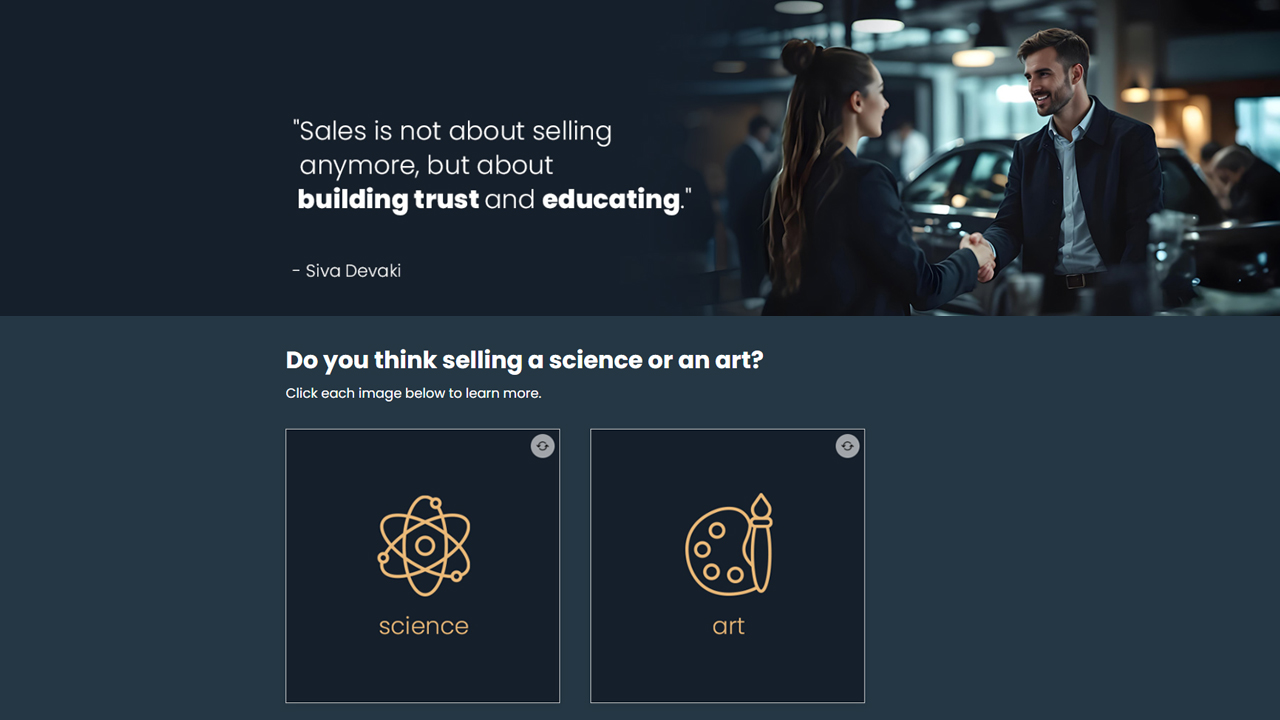

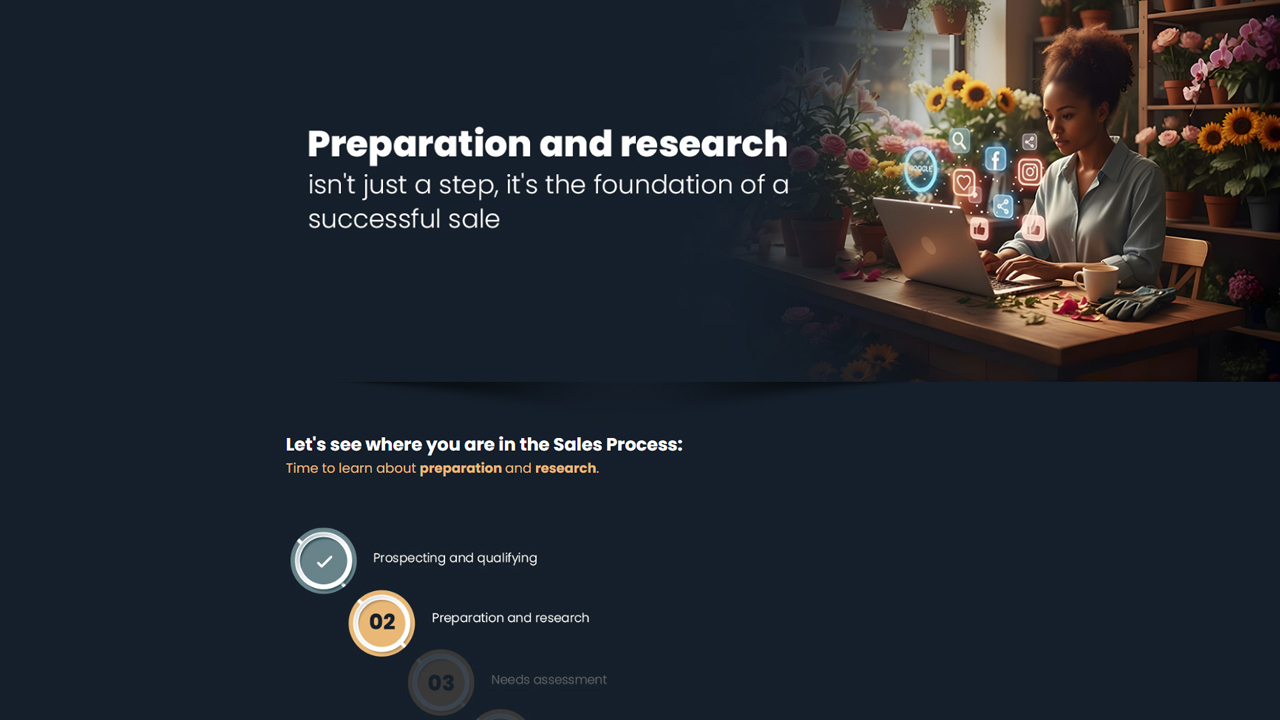
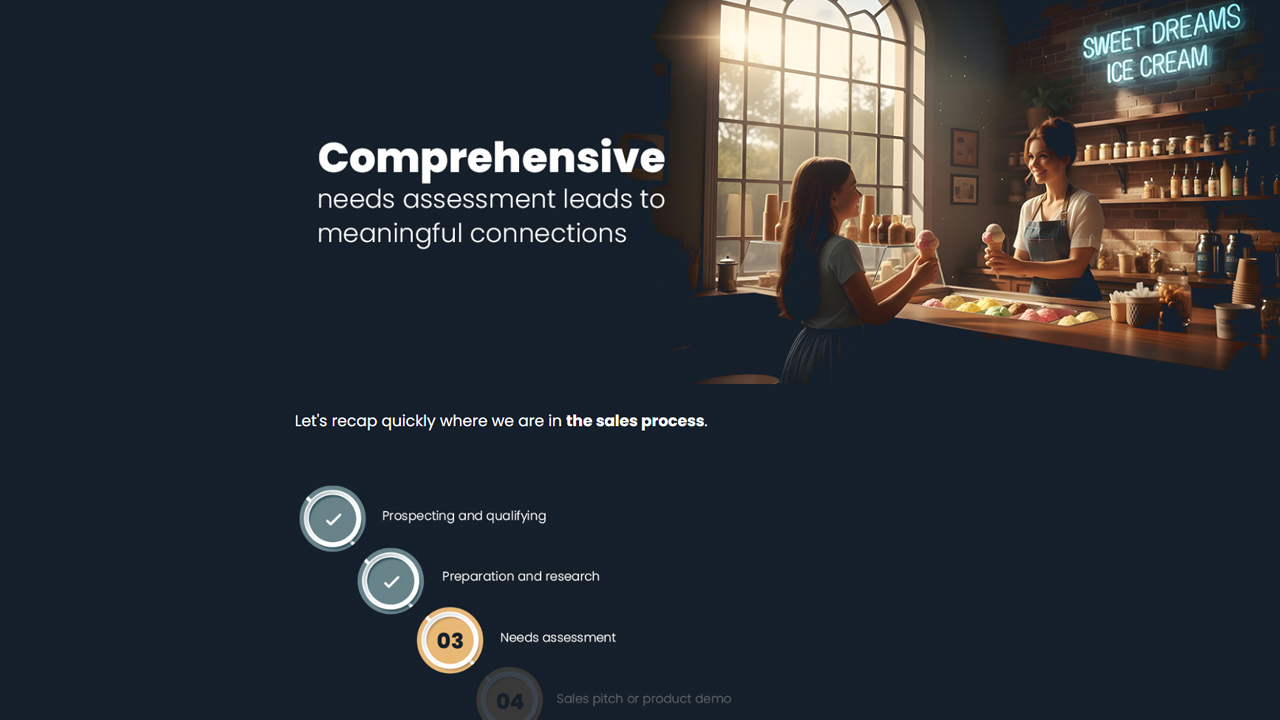
Need write-up please.


Need write-up please.
